What should a service business website in Stuart or Port St. Lucie include?
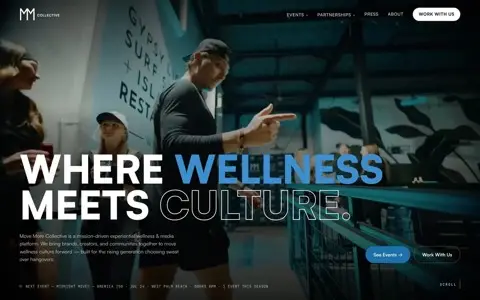
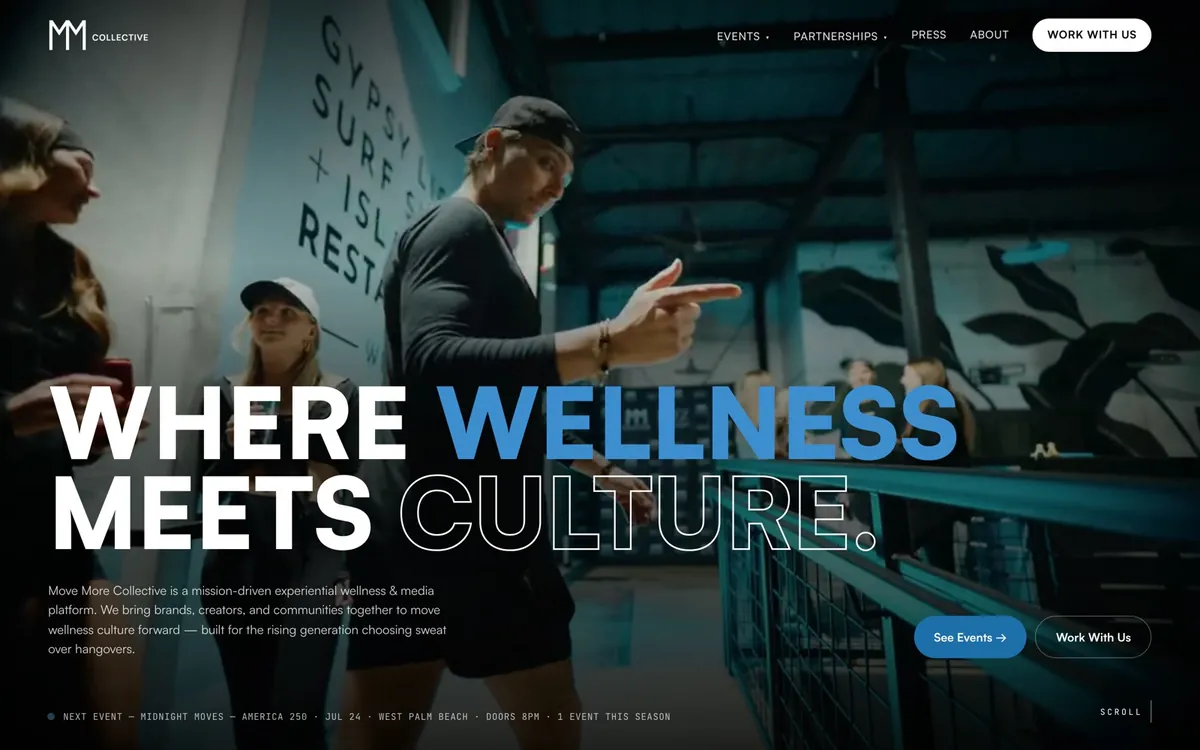
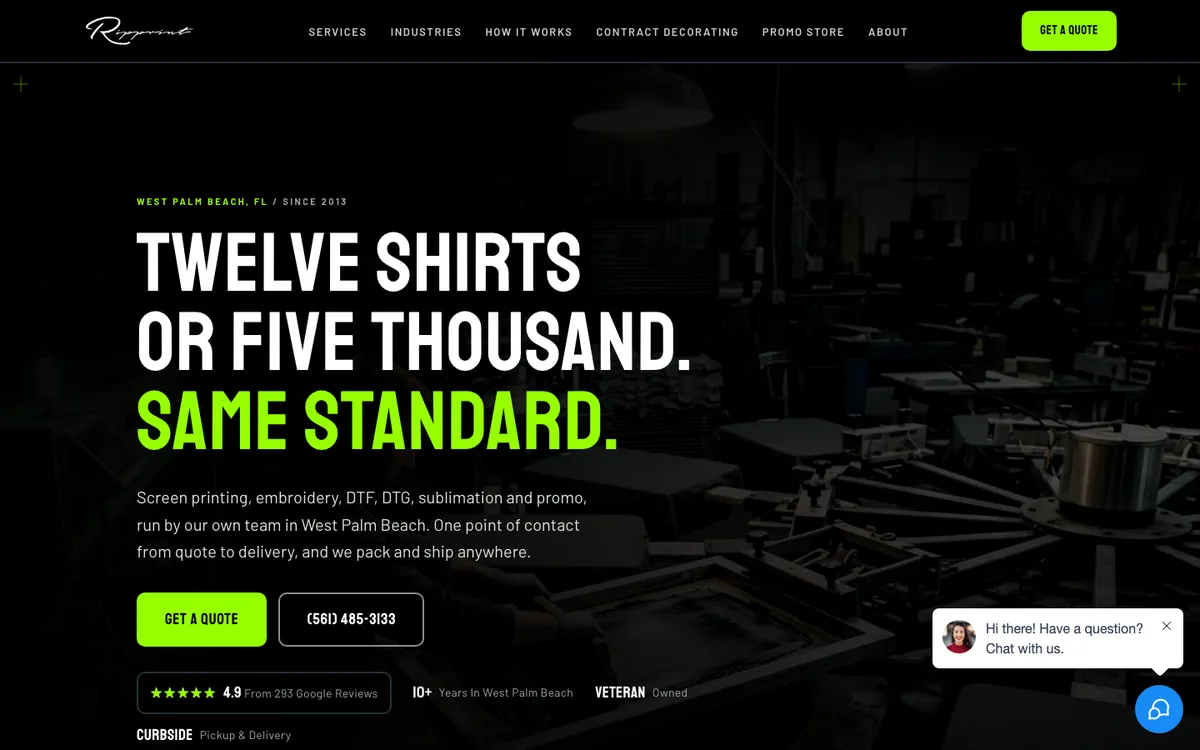
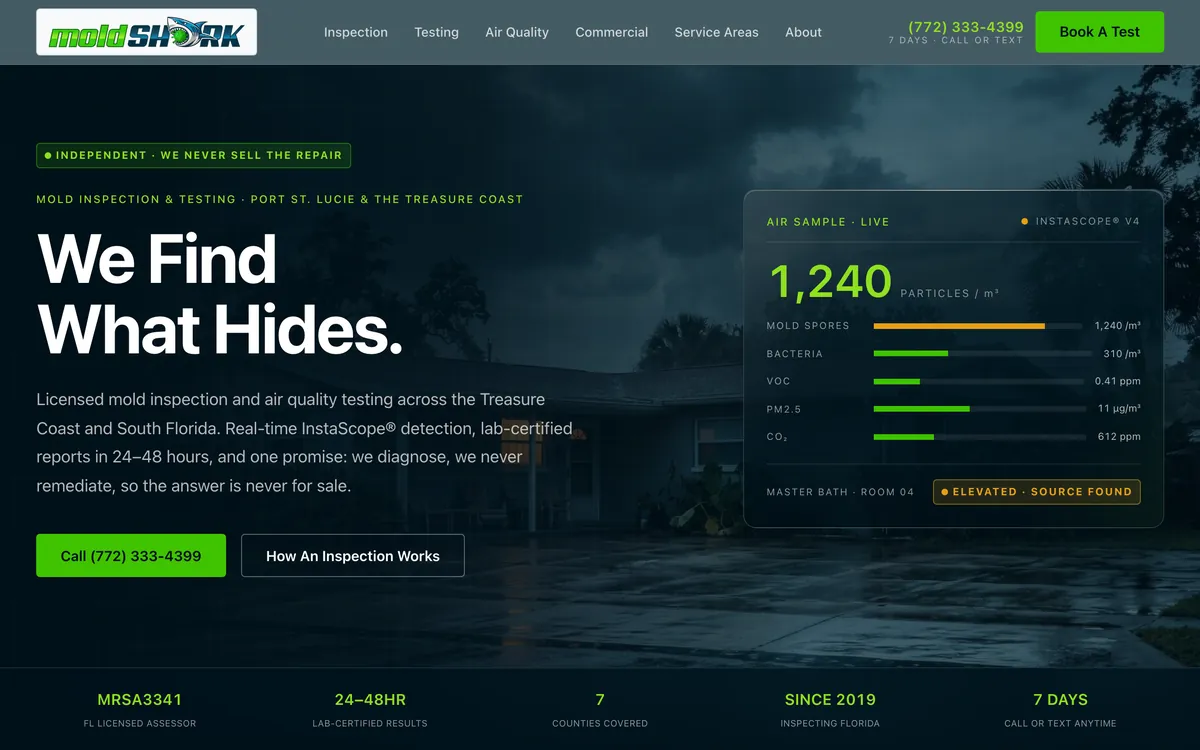
Six things: a page per service, a page per town you work in, a phone number and booking button on every screen, real photos, your reviews, and where you are. That's the whole list, and most local sites are missing half of it. The service pages are what rank in the organic results, since the 2026 local ranking survey puts a dedicated page per service at the top. The city pages tell Google and the customer you actually work there, which matters when your profile has a service area instead of a storefront. The reviews and photos are what the customer checks before calling, because most of them look you up after they see your truck or an ad. And it has to load fast on a phone, since that's where almost every local search happens. We build every client site that way, then keep it fast and current month to month.
Whitespark Local Search Ranking Factors, 2026.
How much does a website cost for a small service business?
It depends on what the site has to do, which is why we set it on a call instead of a price list. The things that move the cost are the number of pages that need real writing, whether you need booking, quoting or lead capture wired in, how much photography and brand work exists already, and whether the site has to connect to a scheduling or customer system you already use. A five-page site with a booking button is a different job from a 30-page site with city pages, a quote form and a customer portal. What you won't pay for is a template dressed up as custom. Every site we build is designed around how your customers buy, and the monthly keeps it fast, backed up and improving after launch. The 30-minute call is where we map what you need and tell you what it costs, in plain numbers, before anything starts.
How long does it take to build a website?
A few weeks for most service businesses, longer when there's a lot of content or a system to connect. The slow part is almost never the design. It's the photos, the words and the decisions, so the fastest builds are the ones where the owner gives us a morning for the shoot and the questions up front. We work in a set order: the plan and the page list first, then the design you approve, then the build, then speed and search setup, then launch. A boudoir studio site we're launching this month posted mobile speed scores of 93 to 95, accessibility 100 and SEO 100 in its pre-launch checks. That's the bar every site clears before we point the domain at it. After launch the work doesn't stop. The monthly covers edits, hosting, backups and the fixes that keep it fast as the business changes.
Lighthouse checks on a client build, October 2026.
Do I need a new website or can mine be fixed?
Rebuild it if it loads slowly on a phone, hides what you do and where, or sits on a page builder nobody can edit. If it's recent, loads fast and just needs better pages and a booking button, fix it. We look at four things on the call: speed on a phone, whether each service has its own page, whether the site and the Google profile agree on name, address and phone, and whether a customer can call or book from every screen. A site that fails two or more of those is a rebuild. One that fails one is a fix. We're honest about this because a rebuild you don't need is wasted money, and a patched site that still leaks customers is worse. Either way the site stays yours, and the work carries into the pages, the profile and the follow-up that make it pay.
Will a new website get me more customers on its own?
No. Customers use a website to check you out. Very few of them come from it, and it only pays when the rest of the system is there. Ryan's line is the blunt version: "If you have a slow website or voicemails that you don't call back or those estimates that you send out that no one is following up with, right there is leaked revenue out of your business." The site's job is to load fast, prove you're real with reviews and photos, and make calling or booking one tap. What sends people to it is the Google profile, the reviews, the ads and the content. What turns them into booked jobs is answering fast and following up. That's why we build the site as one part of the system and run the profile, the search work and the follow-up with it, instead of handing over a pretty site and wishing you luck.